Greece offers unique holiday experiences. The question remains, though: can everyone really enjoy them?
The regulations and current legislation on accessibility for people with disabilities in hotels and tourist accommodation set out a framework of obligations and rights. But are these rules enough to ensure real equality in the experience of hospitality?
The discussion about accessibility in tourism has become more visible in recent years, mainly thanks to growing public awareness and pressure for more inclusive practices. Legislative initiatives, plans for accessible infrastructure and European programs show that there is some progress.
However, despite the progress made, many hotels still overlook the needs of particular groups, such as people with visual impairments. Although they are active travelers, professionals and citizens with clear needs, they are rarely a central point of design. The lack of infrastructure and the lack of specialized support make for a difficult stay.
According to figures for 2024, tourism is a driving force of the Greek economy, with a contribution of more than 30% of GDP. This means that every traveler counts. Every hospitality experience has value. And every form of exclusion is a lost opportunity — not only socially, but financially too.
The absence of suitable signage, the lack of audio information, untrained employees and a lack of knowledge about guide dogs add up to a picture in which a stay becomes a struggle instead of a pleasure.
A Lack of Real Accessibility in Hotels
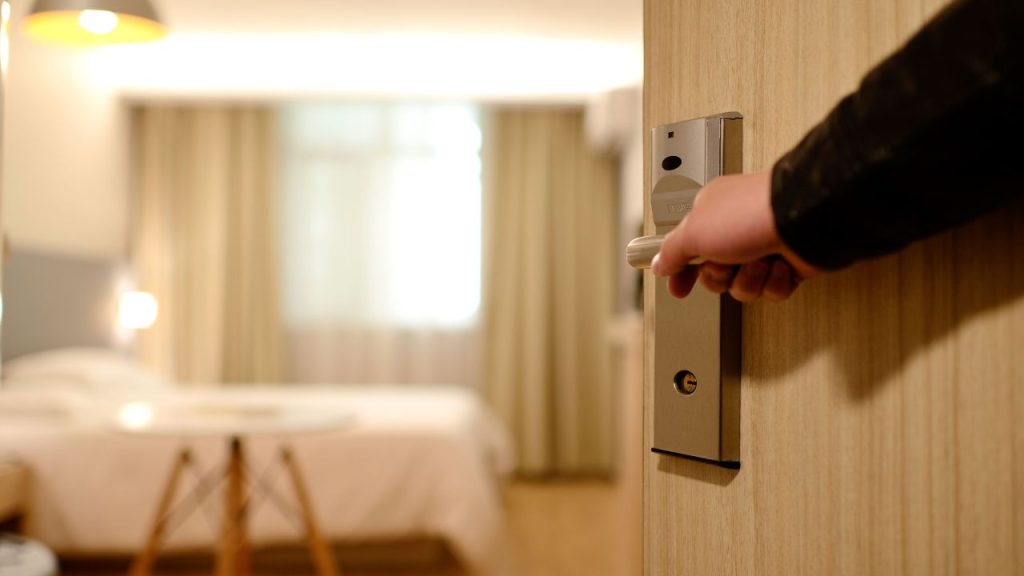
Accessibility for people with visual impairments is affected by many factors. For example, easy and safe access to the hotel or accommodation, properly adapted facilities and support from trained staff all play a decisive role.
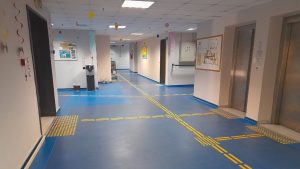
Many hotels claim to offer services for people with disabilities, but in practice their accessibility is limited. Especially with regard to people with visual impairments, the entrances of many properties are difficult or even impossible to use, and suitable instructions or signage are often missing that would let guests move around the hotel safely.
Although the law in many countries requires accessible spaces to be built, in practice it is often applied only partly. In Greece, for example, many hotels – particularly in rural areas and on the islands – have not yet adapted their facilities to serve people with disabilities, and especially people with visual impairments.
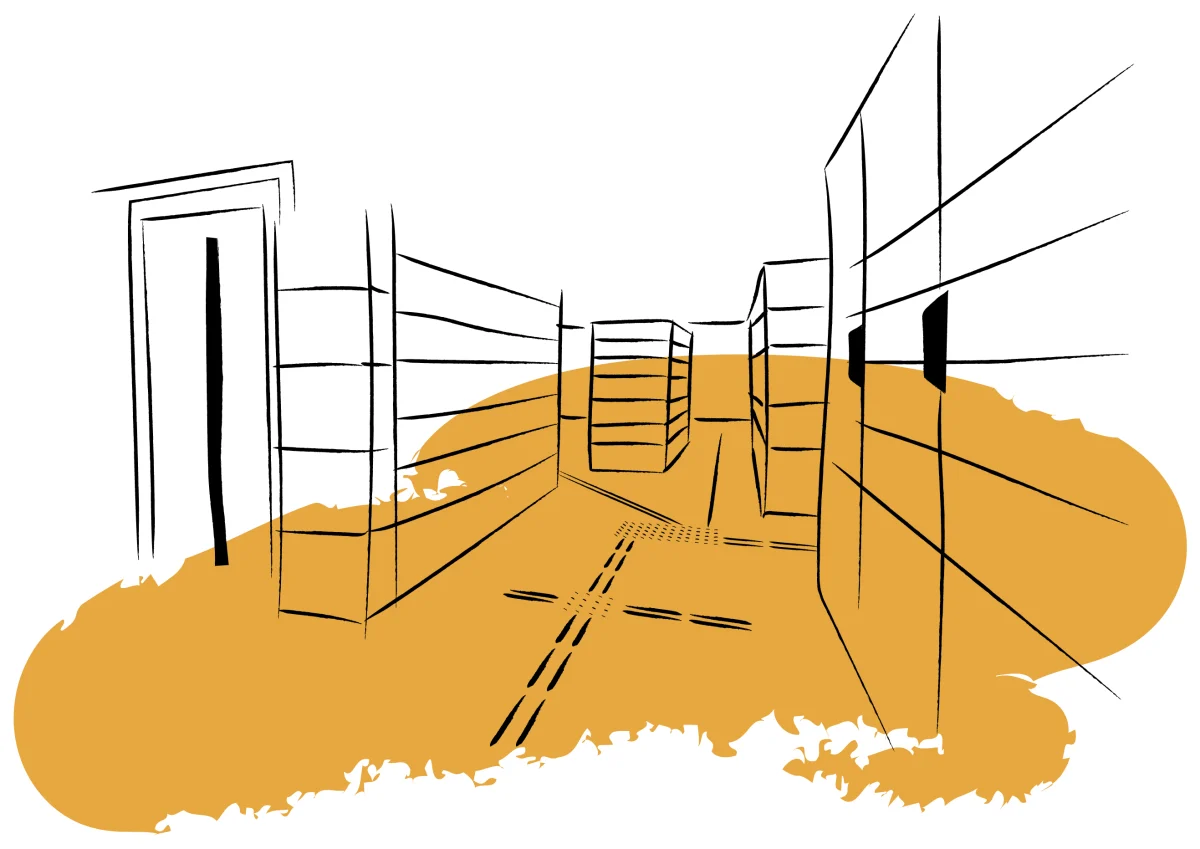
The absence of accessible elevators, of clear audio and light signals, or of suitable aids can turn a stay into a challenge. Yet moving toward more accessible holidays does not necessarily require large investments — it does require knowledge and targeted planning.
At Accessibility Support Academy, we specialize in mapping needs and creating practical solutions for more welcoming, accessible hotels and accommodation. Through technical studies and advisory support, we can help you turn your property into a place that is truly open to everyone.
Empowering Staff Through Training
For people with visual impairments, the experience of a stay depends largely on the quality of human contact. The staff of hotels and accommodation are on the front line of service and can make the difference — provided they have the right tools.
Staff training is crucial for serving people with visual impairments smoothly, as well-trained staff can do a great deal to prevent situations that cause stress or create obstacles. Unfortunately, staff are often unprepared and unaware of the needs of people with visual impairments, which can lead to dangerous situations or spoil their stay.
Trained staff can quickly recognize needs, give proper guidance and strengthen the feeling of safety and respect among guests.
At Accessibility Support Academy we offer specialized training programs for staff in the tourism sector. We focus on a practical understanding of the needs of people with visual impairments and empower employees to offer hospitality without exclusion.
Understanding the Role of Guide Dogs
One of the fundamental rights of people with visual impairments is unhindered access to public and private places with their guide dog. Even so, a number of hotels are still hesitant about, or unaware of, the related legal obligations.
Guide dogs are properly trained and certified assistants, essential for the navigation and daily independence of the people they accompany. Refusing entry or obstructing a stay with them is not simply an oversight — it is a form of discrimination.
In many cases, refusals are based on prejudice or misunderstanding rather than on real practical obstacles. Behind these decisions there is often a lack of information and training among staff, who do not know enough about the rights of people with visual impairments or the role of guide dogs.
As a result, these guests often find themselves in a difficult position, looking for alternative accommodation that will respect their right to travel with their guide dog.
At Accessibility Support Academy we offer specialized training programs for businesses in tourism and hospitality, aimed at serving people with visual impairments who are accompanied by guide dogs properly and meaningfully. Through experiential learning, practical guidance and applied examples, we build the confidence and readiness of staff at every stage of contact with the guest.
A special place in our programs belongs to the course “Learning about the Guide Dog”, which gives a full picture of the role, training and needs of guide dogs. Participants learn what the law provides, how to handle such situations with respect and how to create a welcoming environment without fear or uncertainty. Information becomes empowerment — for staff and guests alike. Hotels that train their staff in accessibility gain not only in compliance but also in reputation, trust and loyal guests.
Accessible Accommodation through Action, Not Just Intentions
The need to improve hotel accessibility is pressing and should be met through a combination of legislation, staff training and more modern, accessible infrastructure. Hotels need to understand that serving people with visual impairments is not only a legal obligation but also an opportunity to widen their customer base and offer a welcoming, safe environment for everyone.
Beyond legislation and infrastructure, informing and training staff is the key to change. Trained staff can recognize the needs of people with visual impairments and provide the necessary services with respect. A clear framework is also needed for properly serving people with visual impairments accompanied by guide dogs, so that they are not deprived of that valuable support when they travel.
Hospitality Is a Greek Value — and It Must Be Accessible to All
Improving hotel accessibility for people with visual impairments calls for systematic work on many levels. From infrastructure and staff training to safeguarding the rights of people with disabilities, hotels must recognize the need for real change. Only then will people with visual impairments have the same chance of a comfortable, safe place to stay, without facing obstacles or prejudice.
All of this may seem demanding, or like a mountain to climb, especially for businesses that are only now starting their journey toward accessibility. That is why we are here. At Accessibility Support Academy, we are ready to guide you step by step, with practical solutions, suitable training and ongoing support.
If you want to make your property truly accessible, contact us and become part of the change toward a more open and inclusive tourism.