For a person with a visual impairment traveling on a ship with their guide dog, the experience is not simply a matter of getting from one place to another. It is a journey full of challenges that call not only for accessibility but also for the whole process to be handled in a coordinated way. Accessibility on ships for people with visual impairments is not a luxury but a necessity. For them, traveling on board with a guide dog means having the necessary support from the crew and knowing that the journey will be as smooth, comfortable and safe as possible.
Why Staff Training Matters
Serving people with visual impairments properly during boarding and their time on board requires trained staff. When a passenger with a visual impairment is accompanied by a guide dog, the crew must be fully informed about their needs and handle situations with respect.
A guide dog is not simply a pet but a faithful companion that gives its handler the independence and safety needed to move around on their own. The role of the guide dog is beyond question and calls for recognition and support from the crew. Staff training should include:
- Recognizing a guide dog.
- Avoiding unwanted interference
- Offering help discreetly, always respecting the relationship between the handler and the dog.
Knowing the law on the rights of people with disabilities and the admission of guide dogs is also fundamental. Inadequate training can lead to unpleasant situations and stress for a person with a visual impairment, who may find that their right to travel with their guide dog is not respected.
Accessible Facilities on Ships for People with Visual Impairments
Accessibility on ships for people with visual impairments is not only a matter of design. It combines proper facilities, information and sensitivity from the crew. For these passengers in particular, unobstructed movement through every area of the ship is extremely important.
Essential measures include:
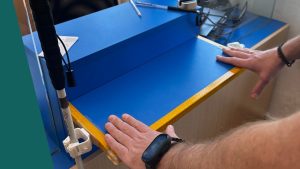
- Elevators with voice announcements and buttons with Braille markings.
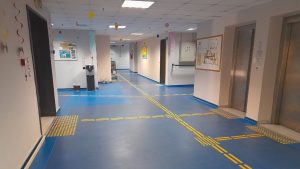
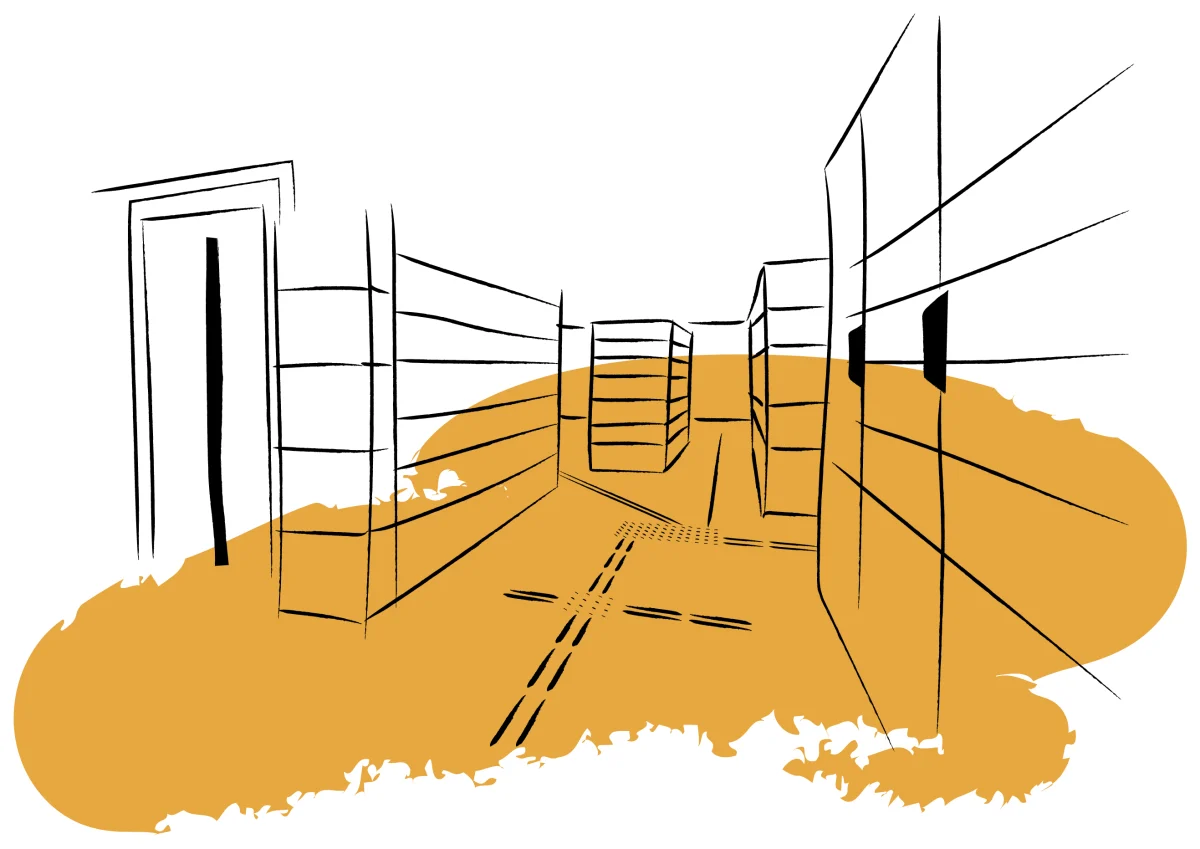
- Tactile guide paths in main corridors and shared areas.
- Clear audio announcements for arrivals, departures and emergencies.
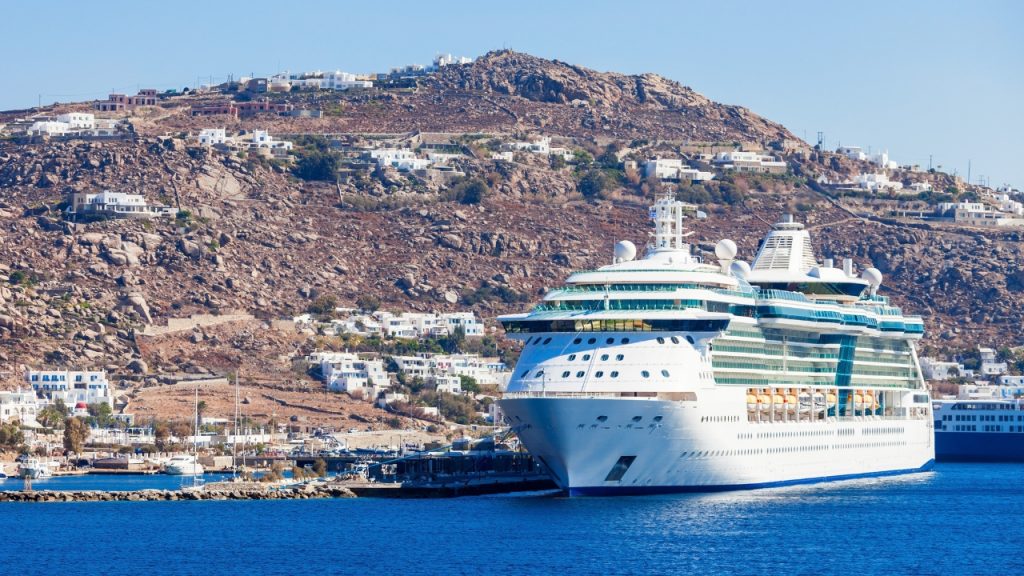
Particular care is needed while cars are boarding and leaving the ship, a process that often happens quickly and can be difficult and stressful for people with visual impairments. When the person is accompanied by their dog, the situation becomes even more complicated. The crew should be able to guide the person safely, make sure the guide dog can move comfortably and prevent any obstacle or interference that could disrupt its path.
Comfort and Safety During the Journey
Accessibility does not stop at the shared areas. It is just as important in the cabins. A cabin must be comfortable and safe, not only for the passenger with a visual impairment but also for the guide dog. The dog is not confined to a separate area but always stays beside its handler, giving the support that is needed.
Making Accessibility a Priority
A sea journey should be a safe and pleasant experience for a person with a visual impairment and their guide dog. Shipping companies should invest in continually improving their facilities and in training their staff properly.
Ensuring accessibility is not just a matter of complying with the law but proof of respect and social responsibility. At Accessibility Support Academy, our specialized staff are ready to help you turn that responsibility into action. We design and deliver complete accessibility solutions for every type of vessel, transforming the travel experience for all passengers.
People with visual impairments are entitled to the same comforts and the same safety as all other passengers. Better procedures, awareness and attention to their needs will make their journey easier and more enjoyable.
The training programs we offer for company staff cover all the necessary theoretical and practical subjects, ensuring that your people are fully prepared to deliver a high standard of service.